Targets the Root Causes of Dyslexia
Poppins addresses the processing challenges that make reading hard for students with dyslexia.
Poppins uses adaptive rhythm- and reading-based exercises to target the processing challenges behind dyslexia, building the core skills students need for fluent, confident reading.

Why Poppins
Poppins addresses the processing challenges that make reading hard for students with dyslexia.
Backed by five clinical trials, Poppins has been proven to deliver measurable reading gains in weeks—not years.
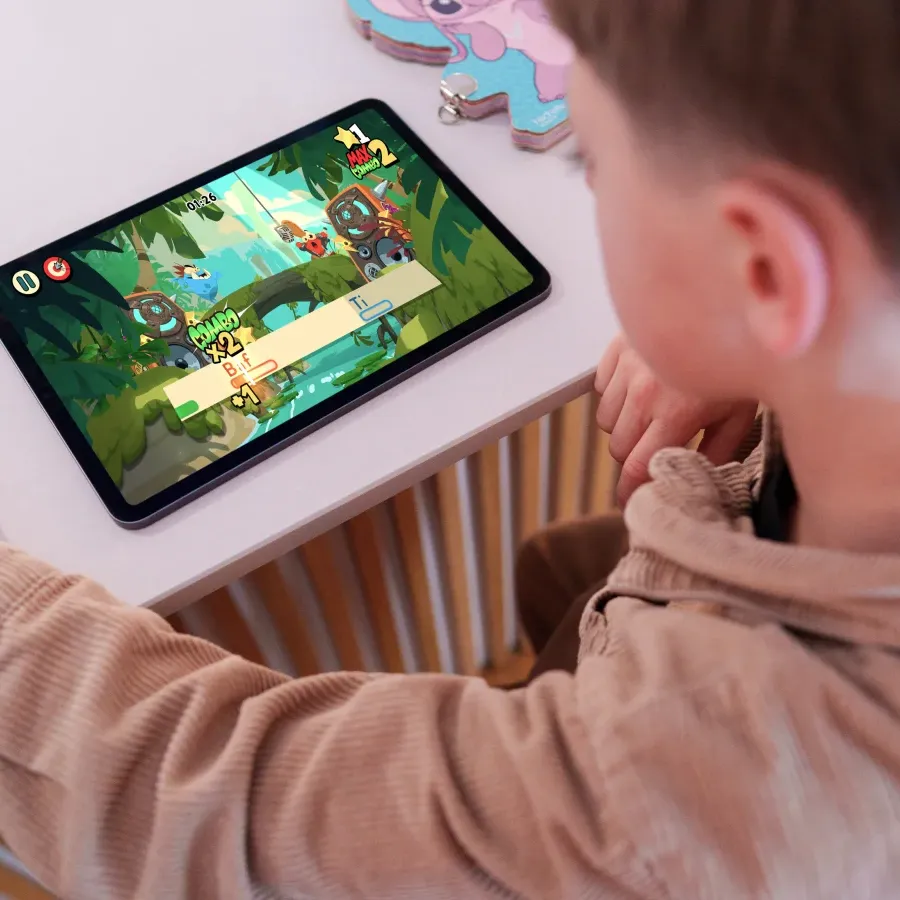
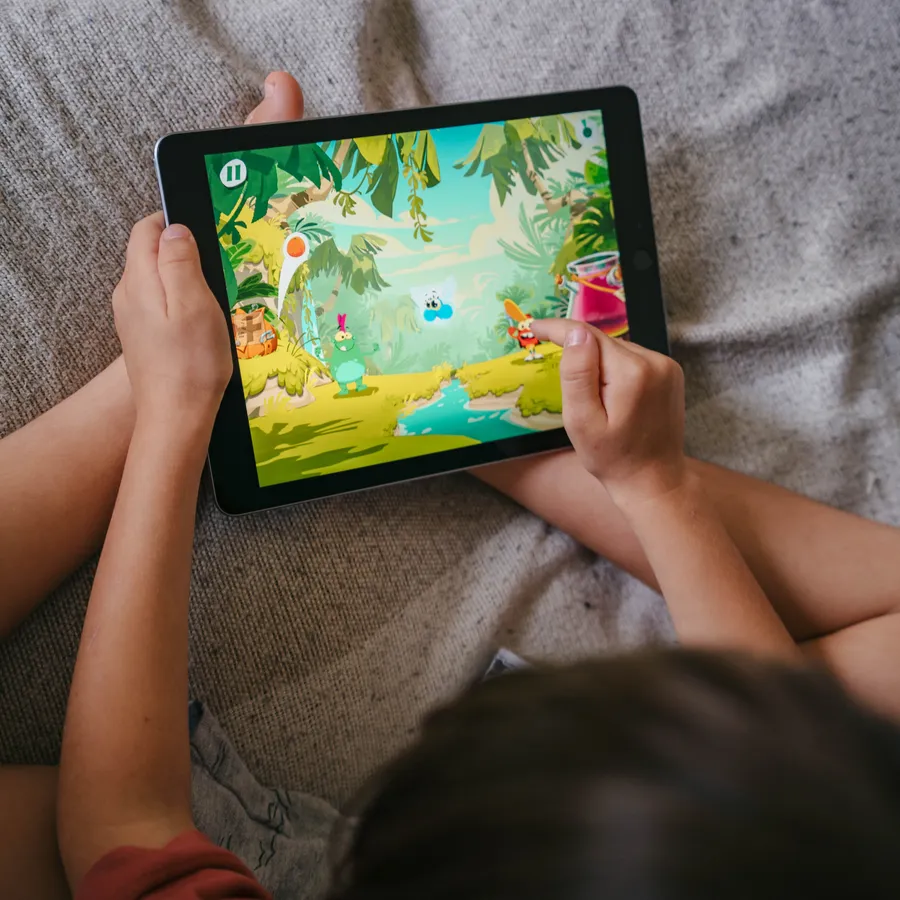
Poppins Learning keeps students motivated with therapeutic exercises that feel like video game play.
%20(1).png?width=1200&height=1200&name=Template%E2%80%94Social%20Posts%20(Poppins)%20(1).png)
Interactive, multi-sensory exercises help students strengthen the timing and processing skills that support reading and reinforce the brain pathways that make fluent, confident reading possible.

Therapeutic exercises feel like play with rhythm- and reading-based exercises set to popular music from partners like Disney and Sony. Levels, points, and rewards keep practice motivating and impactful.
%20copy%202.png?width=1200&height=1200&name=Template%E2%80%94Social%20Posts%20(Poppins)%20copy%202.png)
Poppins fits easily into classrooms with structured 20-minute sessions that require little to no prep. Built-in guidance and adaptive design provide personalized, clinically proven support for every student in small-group or 1:1 settings.

Decades of neuroscience and rigorous trials show that Poppins' approach drives measurable progress. Validated in a Phase III randomized, double-blind clinical trial, children using Poppins made significant gains in phonological awareness and accuracy.
Empower your students with confident reading with the only patented, rhythm-based intervention clinically proven to accelerate reading growth for students with dyslexia.

Be the first to hear about new pilots, research updates, and resources for schools and districts. Join our mailing list to get the latest news on how Poppins is transforming reading intervention.
Poppins is designed for students in Grades K–6 who need additional support with reading. It can be used with small intervention groups, MTSS Tier 2 cohorts, or broader pilot groups across schools.
For the strongest implementation, students should use Poppins for 20 minutes, 3 times per week, for at least 12 weeks. This creates a consistent intervention cycle with enough time to measure student progress.
Poppins is designed to fit into existing intervention, MTSS, or supplemental reading blocks. Students use the platform in short, structured sessions while the program adapts to their individual skill level.
Teachers help manage the student roster, place students, monitor progress, and share feedback through brief pre- and post-program questionnaires. Poppins also provides onboarding, implementation planning, and best-practice support to help teachers get started.
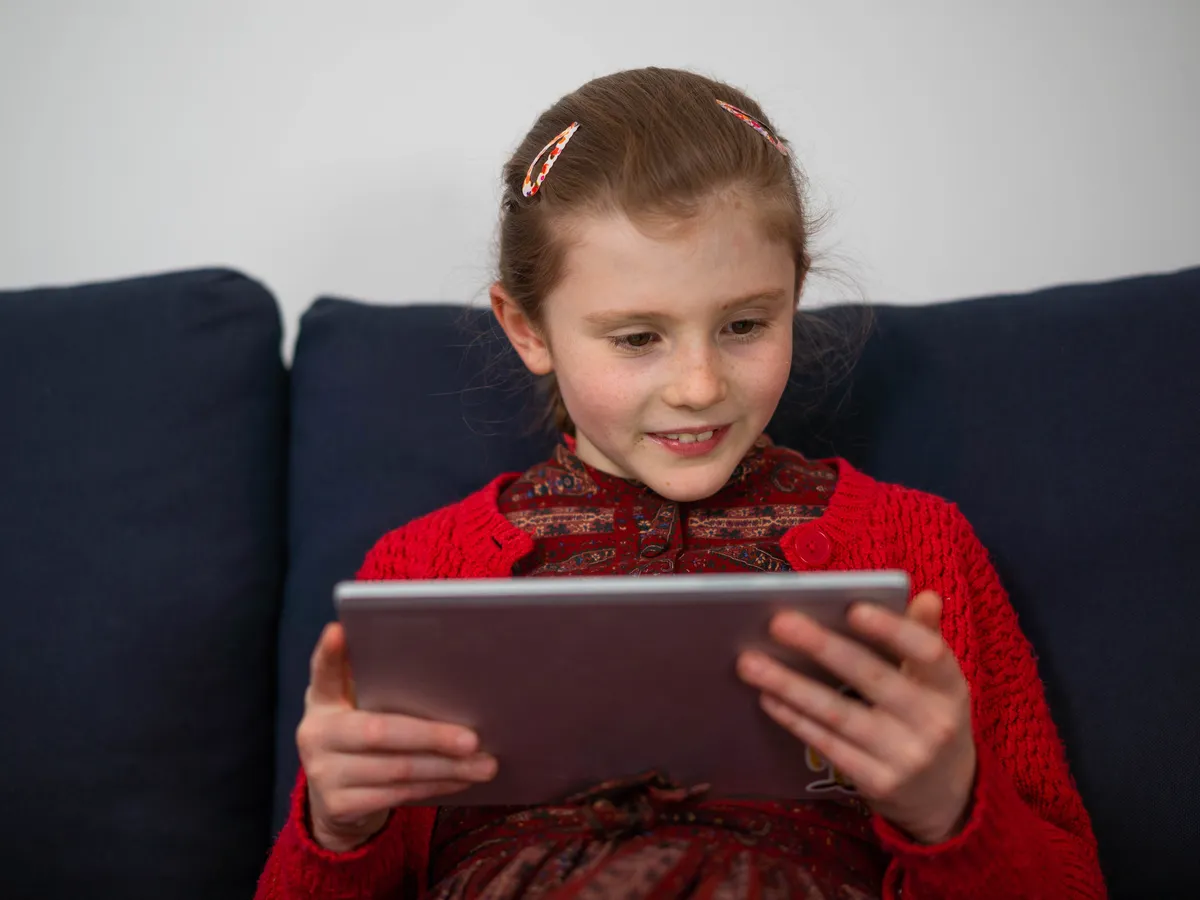
Students can use Poppins on a smartphone or tablet. The app is available on iOS and Android devices, and schools should plan for students to have access to headphones and a quiet space where they can complete their 20-minute sessions.
Poppins is backed by five randomized controlled studies, including Phase III clinical trial evidence. Its approach is grounded in neuroscience showing that rhythm, music, and movement can support the brain processes involved in reading.
The program is designed to strengthen skills like phonological awareness, timing, sequencing, decoding, and fluency, helping students build the foundation they need for stronger reading progress.
Poppins includes regular progress reporting with both student-level and cohort-level summaries. Pilot evaluation may include reading fluency growth, student engagement, implementation fidelity, and teacher feedback.
Schools and districts can access Poppins through a student-seat model. Once seats are purchased, students receive full access to the Poppins intervention platform, and those seats can be reassigned during the school year as students exit, complete their cycle, or participation changes.
Poppins also includes launch support, teacher training, progress monitoring, and ongoing implementation support to help schools get started and use the program successfully.
Yes. Poppins offers flexible pilot options so schools and districts can evaluate the program before expanding to more students.
Pilot models can include a small cohort pilot or a multi-school pilot, with implementation support, progress reporting, and an end-of-pilot impact summary to help teams understand student growth, engagement, and classroom impact before scaling.