
Reading game
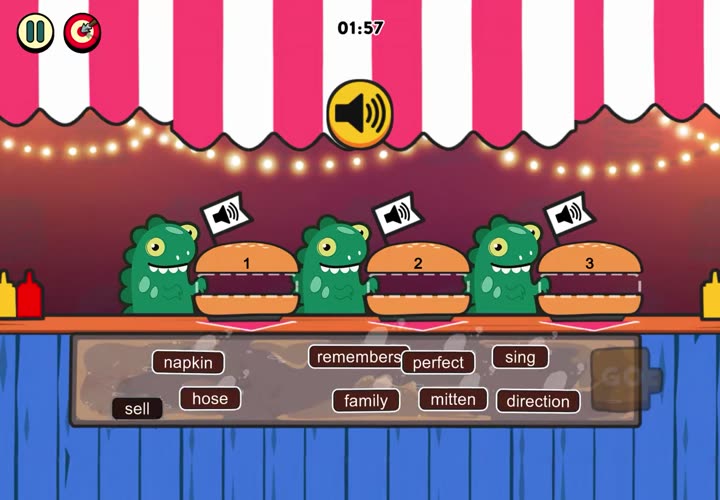
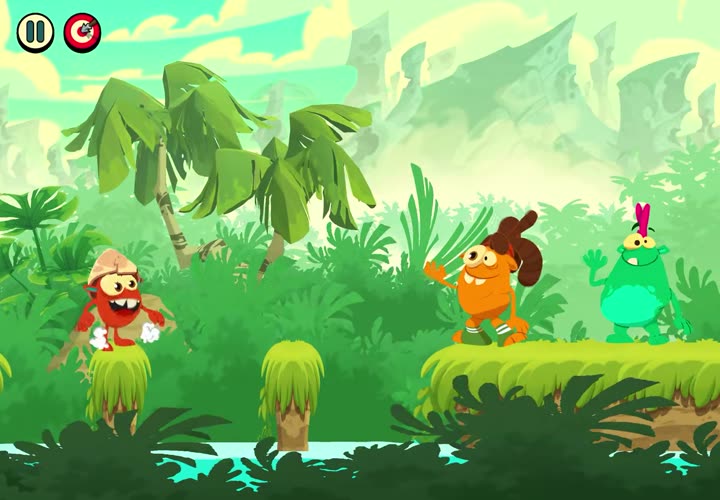
Dino Burger
Drag each word onto a burger, then tap GO.
The game says the rule out loud, such as sorting by number of syllables. When every word is right, the dinosaurs eat.
 For schools
Students with dyslexia practice with rhythm and word games, 20 minutes, 3 times a week.
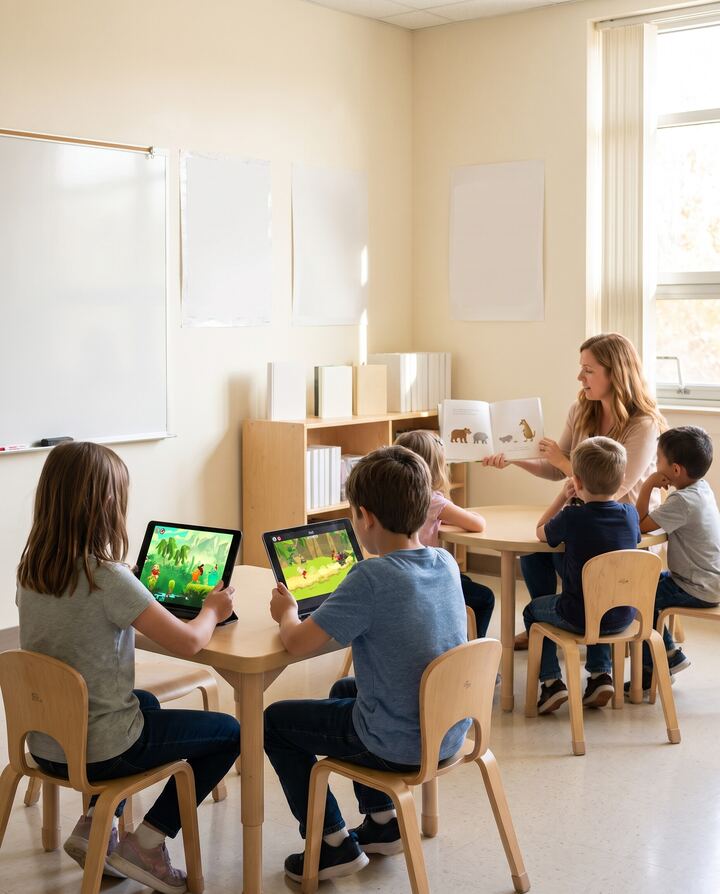
Our trial published in Scientific Reports, a Nature Portfolio journal, 2025 followed 151 children with dyslexia, ages 7 to 11, who practiced at home for 8 weeks.
It tested Poppins Learning against a control game and found gains in reading fluency and speed.
We need tools that are high-impact but low-friction for the teacher to manage.
Every session has two parts. Reading games practice decoding. Rhythm games practice the sound-processing skills that reading draws on.
Drag each word onto a burger, then tap GO.
The game says the rule out loud, such as sorting by number of syllables. When every word is right, the dinosaurs eat.
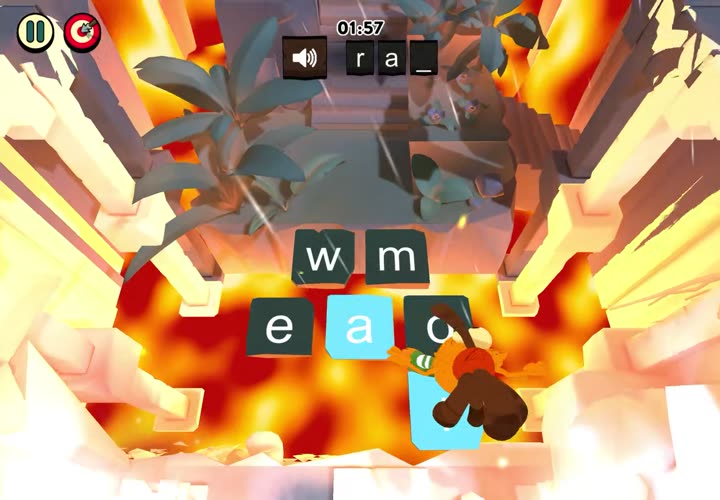
Tap the letter stones, first letter first.
The student hears a word and a sentence that uses it, then taps one stone per row. The word fills in at the top.
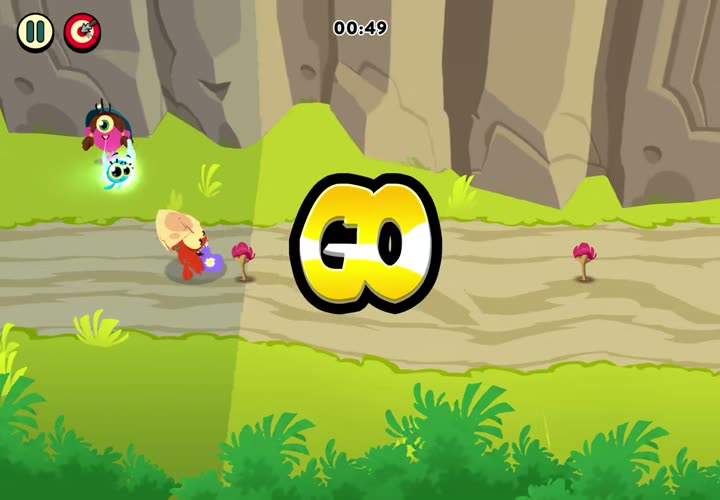
Tap the screen on the beat.
The runner reaches a flower on each beat. On time, the flower blooms.
Shake the tablet, or press a key on a Chromebook.
Three runners meet an obstacle. The student makes the last one jump, with the same gap as the two ahead.
The teacher portal shows each student's practice days, minutes and right answers in the reading games. Open a student to download a progress report for a family meeting.


Any three days count, at any time of day.

Monday, Wednesday and Friday, the others practice about 20 minutes independently while you teach your group.
The students your team chooses, from kindergarten through 6th grade.
That includes students a screener has just flagged, students in Tier 1 while your team reviews them, students in Tier 2 and Tier 3, and students on an IEP.
The app finds the level where each student begins, whatever their grade. Then it moves them on as they master each step.
The headset is for listening. Many games speak the instruction out loud, and the headset keeps the room quiet.
The microphone is for a few activities only, not all of them. In those, the student claps a rhythm, sings a line back or says a word out loud.
No. It adds 20 minutes of practice next to your instruction, 3 times a week.
You keep teaching your small group while the others practice independently.
Your school admin adds your students in the teacher portal and prints a login card for each one, or your district connects its roster.
Students get the app from the App Store or Google Play. On Chromebooks or managed devices, we plan the install with your IT team.
Your team gets a recorded training, and a live session if you ask. Then students run their 20 minutes independently.
Every week, the teacher portal shows who practiced, for how long, and their right answers in the reading games.
At weeks 4, 8 and 12, we send you a short usage report for your group.
For growth, fill in a short questionnaire before and after the 12 weeks. Then compare the screener you already run, such as DIBELS, Acadience, i-Ready or FAST, on its usual dates.
When you choose. We talk with you first. When you're ready, you introduce us, and we meet with your principal together.
We answer their questions. For student data, we sign a privacy agreement with your school that covers FERPA, COPPA and state student-privacy laws, or we sign your district's own.
If the answer is not yet, that's fine. Your pilot starts when your school is ready.
We go over how the pilot went with you first. Then your school decides whether to continue.
The 12 weeks are free. It's a pilot for your group, not a research study.